Perfect Grilled Steak Recipe
A perfectly grilled steak is one of those meals that instantly feels special. The sound of meat hitting a hot grill, the smoky aroma drifting through the air, and the moment you cut into a tender, juicy steak are all part of what makes grilling so satisfying. It’s simple food, but when done right, it can feel just as impressive as a restaurant meal.
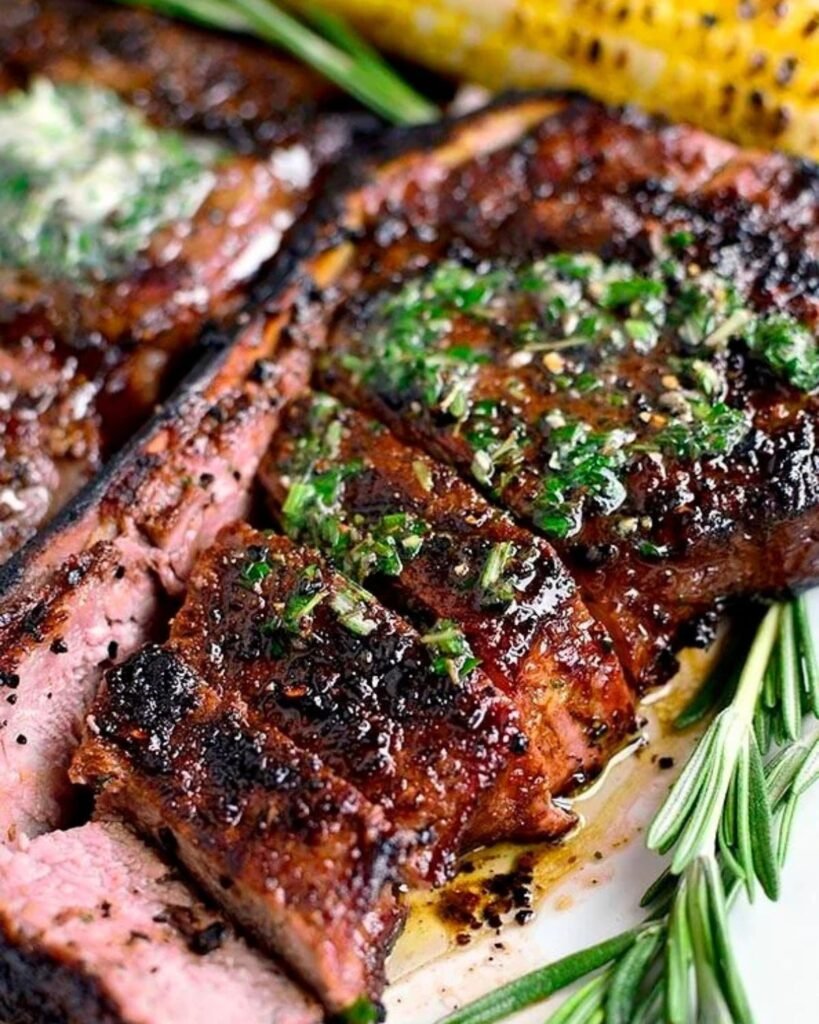
Photo : r/FoodPorn
For a long time, I believed grilling steak properly was something only professional chefs or steakhouses could do well. The idea of cooking expensive cuts of meat over high heat felt intimidating. I worried about overcooking it or losing that juicy center that makes steak so good.
But once I learned a few basic techniques — proper seasoning, high heat, and letting the steak rest after cooking — everything changed. Suddenly grilling steak at home became surprisingly straightforward. In fact, many people discover that a homemade grilled steak can taste just as good, if not better, than one from a restaurant.
This guide walks you through a foolproof grilled steak method inspired by classic steakhouse techniques and popular chef approaches like the well-known Bobby Flay steak method. By following a few simple steps, you can consistently cook a tender, juicy steak with a rich caramelized crust.
Once you understand the process, grilling steak becomes less about guesswork and more about confidence.
Quick Overview
Prep Time: 10 minutes
Resting Time: 20 minutes
Cook Time: 8–12 minutes
Total Time: About 40 minutes
Servings: 2–4
This recipe is ideal for:
• backyard grilling nights
• weekend dinners
• summer barbecues
• steakhouse-style meals at home
Why This Grilled Steak Method Works
The difference between an average grilled steak and a great one often comes down to heat control and preparation.
Professional chefs rely on a few key techniques that anyone can use at home:
• bringing the steak to room temperature
• seasoning generously with kosher salt
• cooking over high heat
• flipping the steak only once
• allowing the steak to rest after grilling
When steak cooks over high heat, the exterior develops a rich brown crust through a process called the Maillard reaction. This is what creates the deep savory flavor that people associate with steakhouse cooking.
At the same time, the inside of the steak remains tender and juicy when the cooking temperature is carefully controlled.
The balance between these two elements — a crispy crust and a juicy center — is what makes grilled steak so satisfying.
Best Cuts of Steak for Grilling
Not all steaks cook the same way on a grill. Choosing the right cut plays a big role in the final result.
Ribeye Steak
A boneless ribeye steak is one of the most flavorful cuts because of its marbling. The fat melts during grilling, keeping the meat juicy and rich.
New York Strip Steak
A New York strip steak is slightly leaner than ribeye but still tender and flavorful. It has a firmer texture that many steak lovers enjoy.
Filet Mignon
If you prefer a buttery-soft texture, filet mignon is the most tender option. It has less fat but an extremely delicate bite.
Ideal Thickness
For grilling, steaks should be about 1¼ to 1½ inches thick. Thicker steaks cook more evenly and allow time for a crust to form without overcooking the interior.
Ingredients
You only need a few simple ingredients to make an excellent grilled steak.
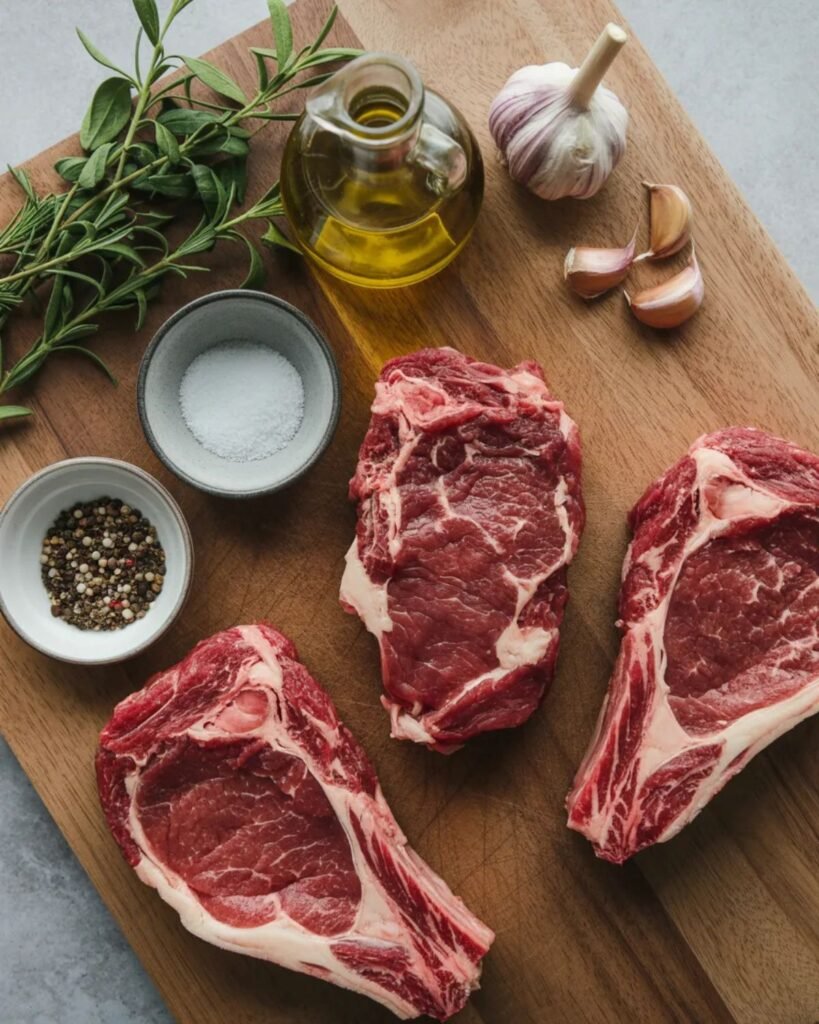
2 ribeye steaks, New York strip steaks, or filet mignon
2 tablespoons olive oil or canola oil
Kosher salt
Freshly ground black pepper
Optional: garlic cloves or fresh herbs for finishing
High-quality meat is the most important ingredient. When the steak itself is good, you don’t need complicated seasoning.
How to Season Steak Properly
Many people under-season steak, which prevents the natural flavor from developing fully.
A simple seasoning method works best.
- Pat the steak dry with paper towels.
- Brush lightly with oil.
- Season generously with kosher salt and black pepper.
Kosher salt helps draw out moisture from the surface of the steak, which contributes to a better crust during grilling.
If you want extra flavor, you can add garlic powder, smoked paprika, or fresh herbs, but classic steak seasoning usually relies on salt and pepper alone.
Bring the Steak to Room Temperature
Before grilling, remove the steak from the refrigerator about 20 minutes before cooking.
A room temperature steak cooks more evenly because the internal temperature is more consistent.
Cooking a very cold steak directly on the grill can lead to an overcooked exterior while the center remains undercooked.
This small step helps ensure an evenly cooked steak.
Step-by-Step: How to Grill Steak
Step 1: Preheat the Grill
Preheat your grill to high heat (450–500°F).
Whether you’re using a charcoal grill or gas grill, the cooking surface should be very hot before placing the steak on it.
High heat is essential for developing a deep, flavorful crust.
Step 2: Oil and Season the Steak
Brush the steaks lightly with oil.
Season both sides generously with kosher salt and black pepper.
Press the seasoning gently into the surface of the meat.
Step 3: Place the Steak on the Grill
Place the steak directly onto the hot grill grates.
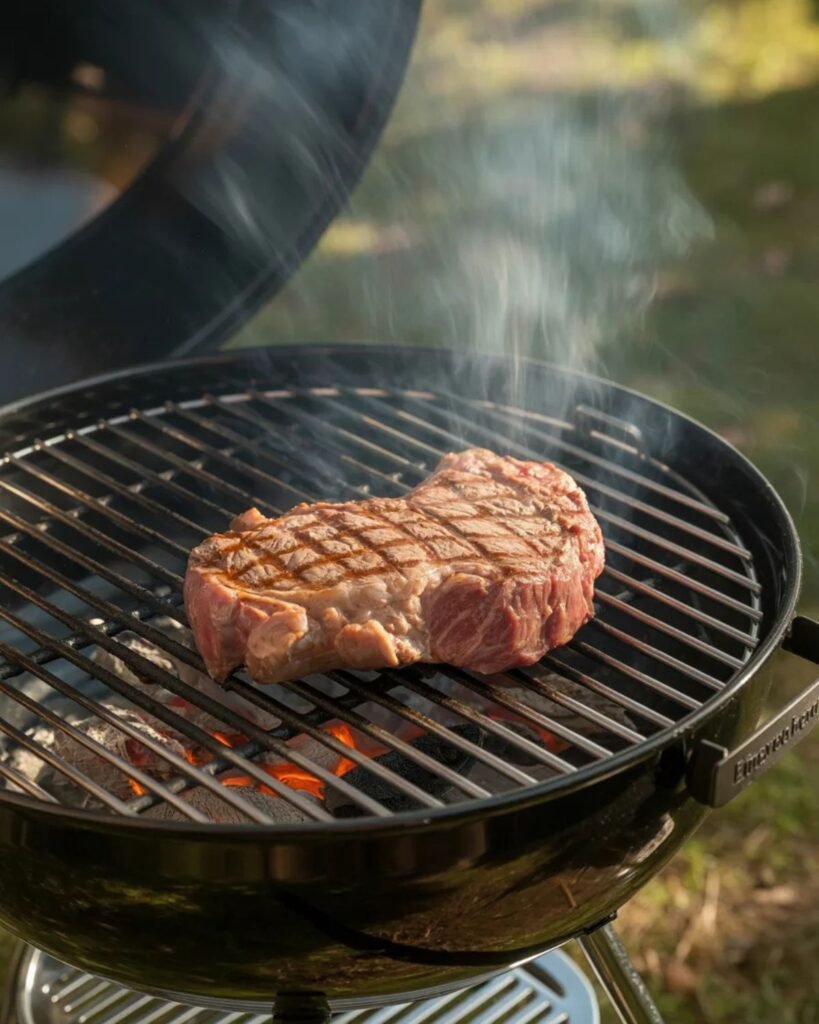
You should hear an immediate sizzling sound. That sound means the steak is beginning to sear properly.
Avoid moving the steak around during the first few minutes.
Step 4: Flip the Steak Once
Cook the steak for several minutes on the first side before flipping.
Using tongs, turn the steak once and cook the second side until the desired doneness is reached.
Avoid piercing the steak with a fork, which can release juices.
Step 5: Check the Internal Temperature
Using an instant-read thermometer is the most reliable way to check steak doneness.
Medium rare steak temperature: 135°F
Medium steak temperature: 140°F
Medium well steak temperature: 150°F
Remove the steak from the grill when it is a few degrees below the target temperature because it will continue cooking while resting.
Steak Doneness Guide
| Doneness | Internal Temperature | Approximate Time |
| Medium Rare | 135°F | 4–5 minutes per side |
| Medium | 140°F | 5–7 minutes per side |
| Medium Well | 150°F | 7–9 minutes per side |
Cooking time varies depending on steak thickness and grill heat.
Let the Steak Rest
After grilling, allow the steak to rest for 5–10 minutes before slicing.
This step is extremely important.
When steak cooks, the juices move toward the center. Resting allows those juices to redistribute throughout the meat, which keeps the steak moist.
Cutting too soon can cause the juices to run out onto the plate instead of staying in the steak.
What to Serve with Grilled Steak
Grilled steak pairs well with many classic side dishes.
Popular grilled steak sides include:
• baked potatoes
• mashed potatoes
• roasted vegetables
• grilled corn
• fresh green salad
• creamed spinach
For summer cookouts, side dishes like potato salad, coleslaw, or grilled vegetables complement steak without overpowering its flavor.
Sauces such as garlic butter, chimichurri, or steak sauce can also add extra flavor.
Tips for Grilling Steak in Any Weather
Outdoor grilling conditions aren’t always perfect. Wind, rain, or cold temperatures can affect cooking.
For windy conditions, try positioning the grill so wind doesn’t blow directly into it.
If it’s raining, a covered grill or grill lid helps maintain consistent heat.
Indoor alternatives include a cast-iron skillet or stovetop grill pan, which can still produce a flavorful seared crust.
The key remains the same: high heat and minimal movement while cooking.
Common Mistakes When Grilling Steak
Even experienced cooks occasionally make mistakes when grilling steak.
One common mistake is flipping the steak repeatedly. While it might seem helpful to check progress, constant flipping prevents a good crust from forming.
Another issue is cooking steak over low heat. Without enough heat, the steak slowly dries out instead of developing a rich caramelized surface.
I once rushed through grilling steaks during a backyard cookout because guests were already sitting down waiting for dinner. I kept turning the steaks every minute, worried they might burn. The result was steak that cooked unevenly and never developed that deep seared crust.
That experience taught me that sometimes the best thing you can do while grilling steak is simply leave it alone and let the heat do its job.
Patience really does make a difference.
Nutritional Information (Approximate)
A typical grilled steak provides a strong source of protein and essential nutrients.
Per serving (8 oz steak):
Calories: 450–500 kcal
Protein: 40–45 g
Fat: 30–35 g
Carbohydrates: 0 g
Iron: 15–20% daily value
Steak is rich in high-quality protein, iron, and vitamin B12, which support muscle growth and energy production.
Pairing steak with vegetables or potatoes helps create a more balanced meal.
Frequently Asked Questions
What is the best steak for grilling?
Ribeye, New York strip, and filet mignon are the most popular choices because they remain tender and flavorful over high heat.
Should steak be grilled with the lid open or closed?
For thicker steaks, closing the lid helps maintain even heat.
How long should steak rest after grilling?
Allow steak to rest for 5–10 minutes before slicing.
How do I know when steak is done?
Use an instant-read thermometer to measure internal temperature.
Can I grill frozen steak?
It’s best to thaw steak completely before grilling so it cooks evenly.
Final Thoughts
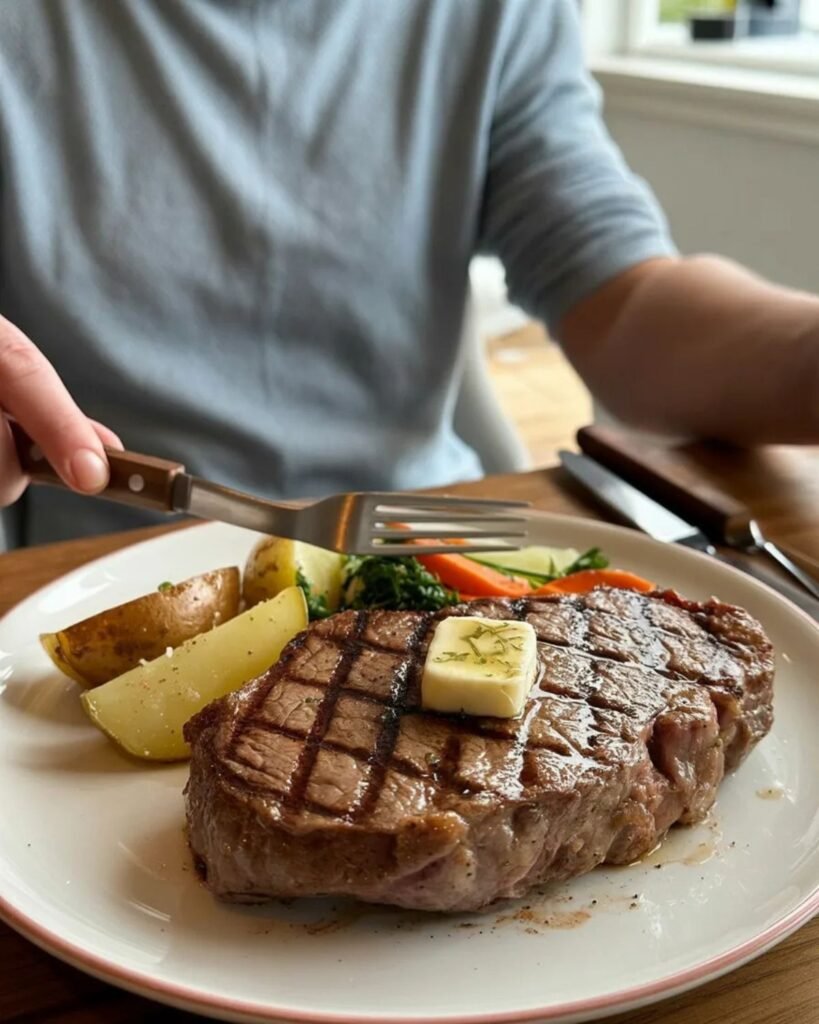
Grilling steak at home doesn’t have to be complicated. With good ingredients, proper seasoning, and the right amount of heat, anyone can cook a steak that rivals what you’d find in a restaurant.
The process becomes easier each time you do it. Soon, you’ll recognize the sound of a proper sear, the look of a well-caramelized crust, and the feel of a steak that’s ready to rest.
Once you master these simple techniques, grilling steak becomes more than just cooking dinner — it becomes a small ritual that turns an ordinary evening into something memorable.
And sometimes, that’s exactly what good food should do.