Easy Chicken Stir Fry (Healthy 30-Minute Dinner)
Chicken stir fry is one of those meals that proves dinner doesn’t need to be complicated to be satisfying. A hot pan, fresh vegetables, tender chicken, and a simple homemade sauce come together in minutes to create something flavorful and comforting.
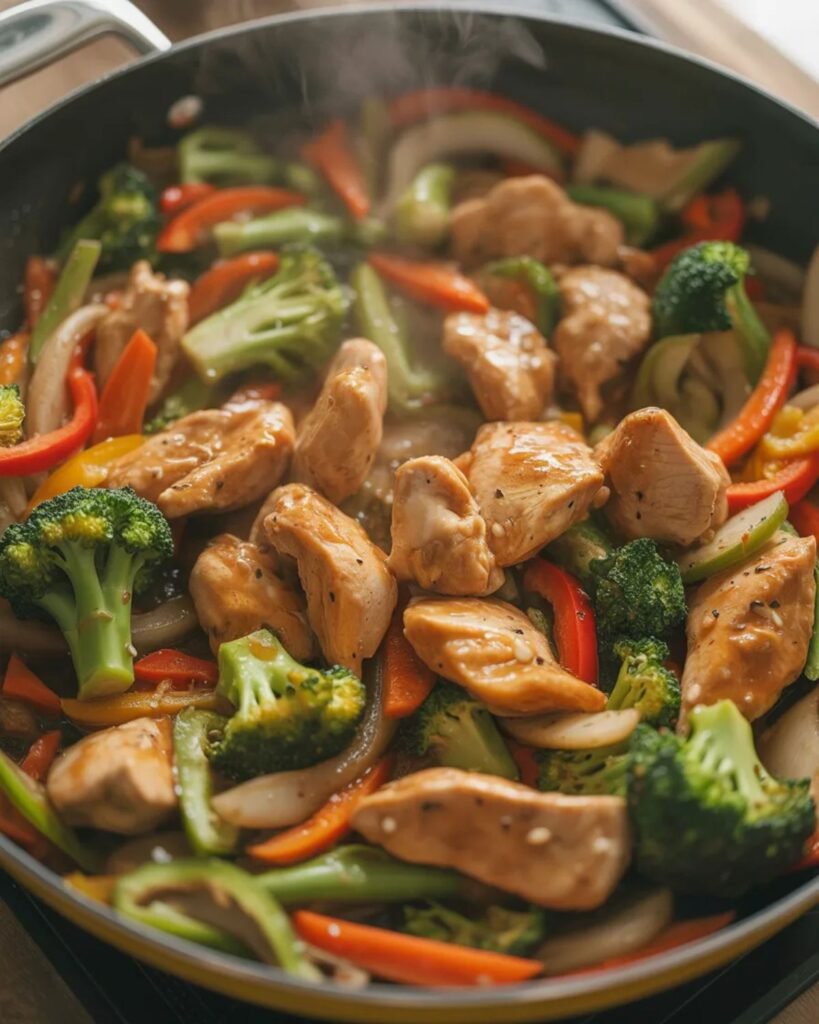
The first time I started cooking stir fry regularly was during a period when weeknights felt especially busy. Between work, errands, and everyday responsibilities, spending an hour cooking dinner just wasn’t realistic. I needed something quick that still felt homemade.
One evening I tossed some sliced chicken, broccoli, and bell peppers into a skillet with garlic and soy sauce. What came out of the pan wasn’t fancy, but it was surprisingly good — juicy chicken, crisp vegetables, and a savory sauce that coated everything perfectly.
Since then, chicken stir fry has become one of my most reliable weeknight dinners. It’s quick, flexible, and a great way to use whatever vegetables happen to be in the refrigerator.
What makes this recipe especially useful is how adaptable it is. You can keep it simple with chicken and broccoli, add colorful vegetables like carrots and peppers, or turn it into a complete meal by serving it over rice or noodles.
Once you learn the basic method, chicken stir fry becomes a dinner you can cook almost without thinking — and that’s exactly what makes it so practical.
Quick Overview
Prep Time: 15 minutes
Cook Time: 12–15 minutes
Total Time: About 30 minutes
Servings: 4
This recipe is ideal for:
• quick weeknight dinners
• healthy homemade meals
• vegetable-packed dinners
• simple meal prep
Why This Chicken Stir Fry Recipe Works
Stir fry cooking relies on high heat and quick cooking. Instead of slowly simmering ingredients, everything cooks rapidly in a hot pan, which helps preserve the natural texture of vegetables and keeps chicken tender.
One of the biggest advantages of stir frying is that it allows each ingredient to maintain its character.
The chicken browns lightly on the outside while staying juicy inside. Vegetables soften slightly but remain crisp rather than mushy. The sauce ties everything together without overwhelming the natural flavors.
Another reason this dish works so well is the balance between protein, vegetables, and sauce.
A good stir fry recipe should include:
• lean protein
• colorful vegetables
• a simple savory sauce
• quick cooking time
When these elements come together properly, you get a dinner that feels balanced and satisfying.
Ingredients
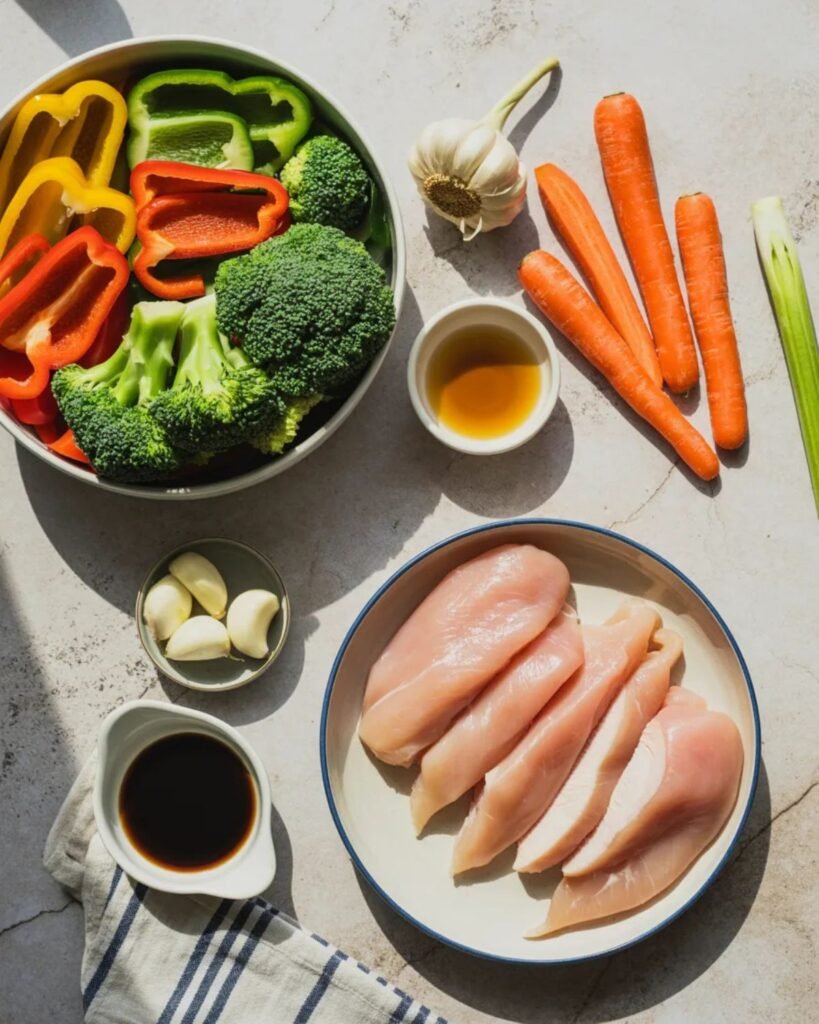
You only need a few basic ingredients to make a delicious homemade chicken stir fry.
Main Ingredients
2 boneless chicken breasts, sliced thin
2 tablespoons vegetable oil
1 red bell pepper, sliced
1 cup broccoli florets
1 carrot, thinly sliced
1 small onion, sliced
2 garlic cloves, minced
1 teaspoon grated ginger
Stir Fry Sauce
3 tablespoons soy sauce
1 tablespoon oyster sauce
1 tablespoon honey
1 teaspoon sesame oil
½ cup chicken broth
1 teaspoon cornstarch
Optional Garnish
green onions
sesame seeds
These ingredients create a classic savory stir fry flavor while keeping the recipe simple.
Choosing the Best Chicken for Stir Fry
Chicken breast is the most common choice for stir fry because it cooks quickly and absorbs sauce well. When sliced thinly against the grain, it stays tender and cooks in just a few minutes.
Chicken thighs are another good option if you prefer richer flavor. They contain slightly more fat, which helps keep the meat juicy during high-heat cooking.
Regardless of the cut you choose, slicing the chicken into thin strips helps it cook evenly and quickly.
Step-by-Step: How to Make Chicken Stir Fry
Step 1: Prepare the Sauce
Before heating the pan, mix the stir fry sauce.
In a small bowl combine:
• soy sauce
• oyster sauce
• honey
• sesame oil
• chicken broth
• cornstarch
Whisk until smooth and set aside.
Having the sauce ready ahead of time makes the cooking process much easier since stir fry happens quickly.
Step 2: Heat the Pan
Place a large skillet or wok over medium-high heat and add the vegetable oil.
The pan should be hot before adding the chicken. A properly heated pan helps the chicken brown quickly instead of steaming.
Step 3: Cook the Chicken
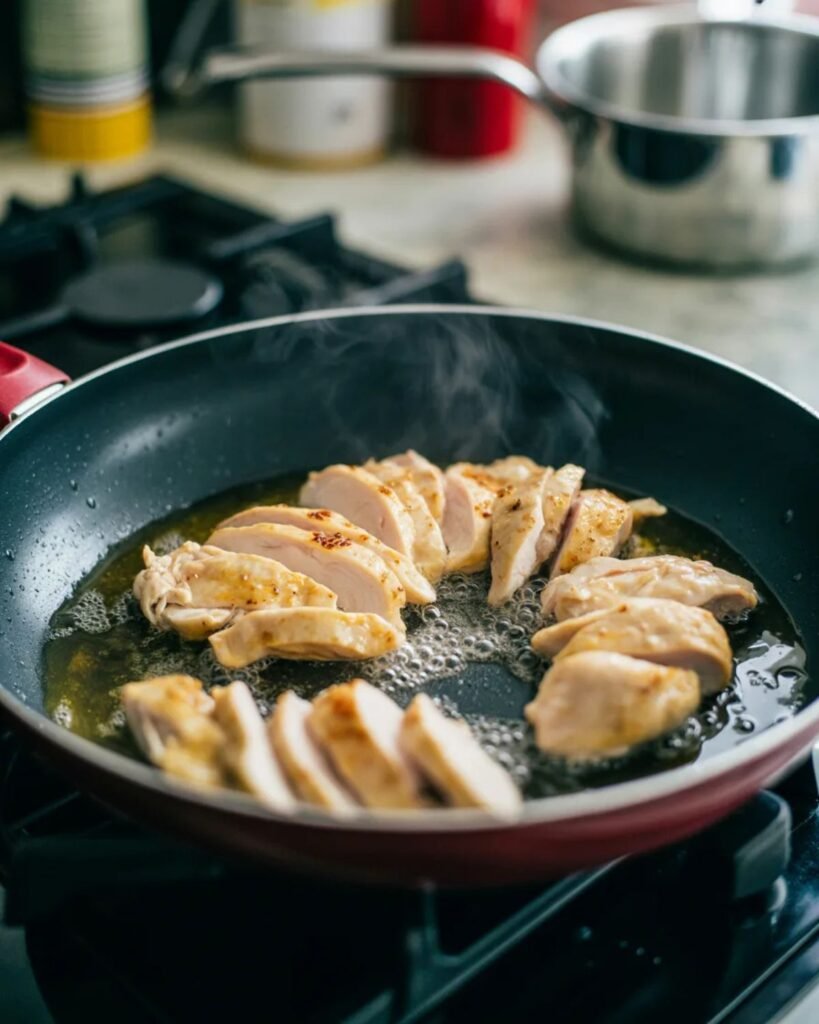
Add the sliced chicken in a single layer and cook for about 4–5 minutes, stirring occasionally.
The goal is to lightly brown the chicken while keeping it tender inside.
Once cooked through, remove the chicken from the pan and set it aside.
Step 4: Cook the Vegetables
In the same pan, add the onion, garlic, and ginger. Stir for about 30 seconds until fragrant.
Next add the vegetables:
• broccoli
• bell pepper
• carrots
Cook for 3–4 minutes while stirring frequently. The vegetables should soften slightly while still keeping a bit of crispness.
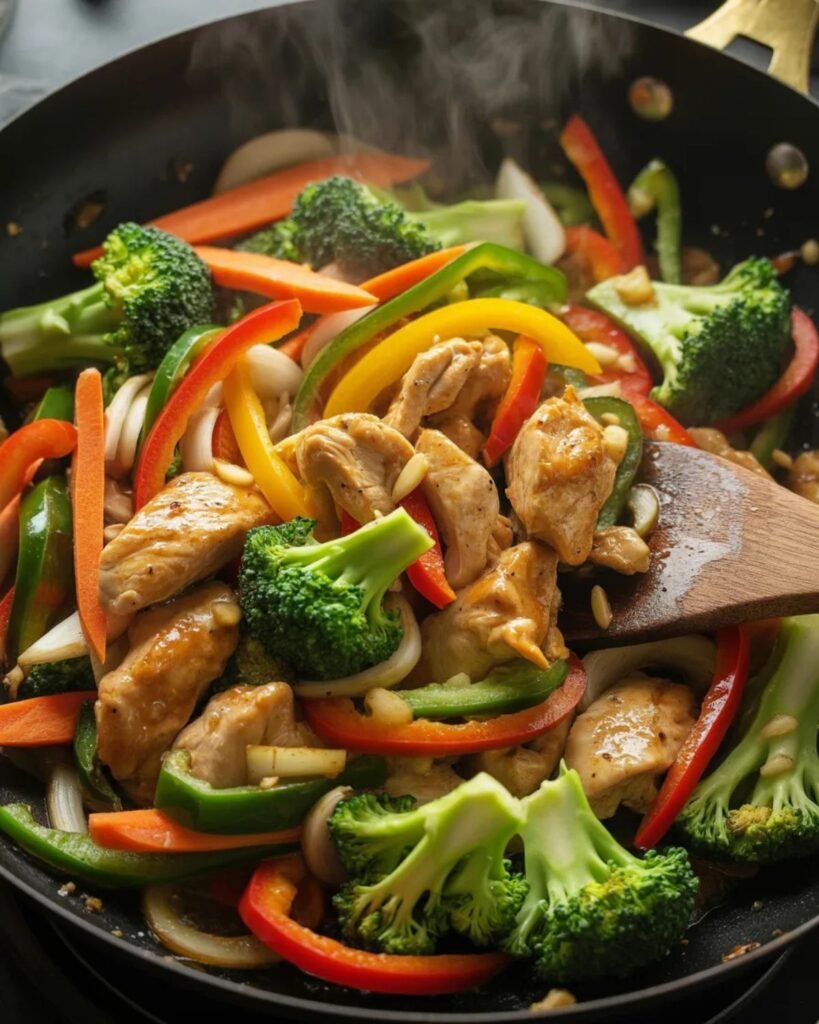
This texture is one of the defining features of a good stir fry.
Step 5: Combine Everything
Return the cooked chicken to the pan.
Pour the prepared stir fry sauce over the ingredients and stir well to coat everything evenly.
Within a minute or two the sauce will thicken slightly thanks to the cornstarch.
Once the sauce clings lightly to the chicken and vegetables, the stir fry is ready.
The Secret to Great Stir Fry Texture
The difference between an average stir fry and a great one often comes down to temperature.
Cooking at medium-high heat helps ingredients cook quickly without becoming soggy.
Another important detail is not overcrowding the pan. When too many ingredients are added at once, the pan cools down and food begins to steam instead of stir fry.
Cooking the chicken first and removing it from the pan helps maintain the proper heat level when cooking the vegetables.
Vegetable Variations
One of the best things about stir fry is how flexible it is. You can easily swap or add vegetables based on what you have available.
Popular options include:
• snap peas
• zucchini
• mushrooms
• baby corn
• cabbage
• green beans
Using a mix of colorful vegetables not only improves flavor but also adds visual appeal.
Healthy Additions
If you want to make the dish even more nutritious, try adding:
• spinach
• bok choy
• shredded cabbage
• extra broccoli
These vegetables blend well with stir fry flavors and cook quickly.
Common Mistakes to Avoid
Even though stir fry is a quick recipe, a few small mistakes can affect the final result.
One mistake many people make is adding all the ingredients to the pan at the same time. While it might seem easier, this can cause everything to cook unevenly.
Another common issue is using a pan that isn’t hot enough. When the pan is too cool, the chicken releases moisture instead of browning properly.
I remember once trying to make stir fry after a long day when I was already tired. Instead of heating the pan properly, I rushed through the process and added everything too quickly. The vegetables ended up softer than they should have been, and the chicken lacked that light golden color that gives stir fry its flavor.
It wasn’t terrible, but it reminded me how much difference those small steps make.
Taking an extra minute to heat the pan and cook ingredients in stages produces a much better result.
Serving Ideas
Chicken stir fry is incredibly versatile when it comes to serving options.
You can serve it with:
• steamed white rice
• brown rice
• jasmine rice
• noodles
• cauliflower rice
Rice is the most traditional pairing because it absorbs the stir fry sauce and balances the savory flavors.
Storage and Reheating
Chicken stir fry stores well and makes great leftovers.
Refrigerator:
Store in an airtight container for up to 3 days.
Freezer:
Freeze portions for up to 2 months.
Reheating:
Warm in a skillet over medium heat with a splash of water or broth.
Nutritional Information
Chicken stir fry is not only quick to prepare, but it can also be a balanced and nutritious dinner when made with fresh ingredients and moderate sauce.
A typical serving of homemade chicken stir fry with vegetables contains approximately:
Calories: 320–380 kcal
Protein: 32–36 g
Carbohydrates: 12–18 g
Fat: 12–15 g
Fiber: 3–4 g
Sodium: 700–850 mg (depending on soy sauce used)
These values can vary slightly depending on the vegetables, sauce ingredients, and portion size.
Because chicken breast is a lean protein source, this dish naturally provides a high amount of protein while remaining relatively moderate in calories. The vegetables add fiber, vitamins, and minerals that support a balanced meal.
For example:
• Broccoli contributes vitamin C and fiber
• Bell peppers provide antioxidants and vitamin A
• Carrots add beta carotene and natural sweetness
If you serve the stir fry over rice, the meal becomes more filling by adding healthy carbohydrates for energy.
For a lighter option, many people enjoy chicken stir fry with:
• cauliflower rice
• zucchini noodles
• steamed vegetables
This keeps the dish lower in carbohydrates while still maintaining flavor and satisfaction.
Overall, homemade chicken stir fry can be a nutritious weeknight dinner that provides lean protein, colorful vegetables, and balanced macronutrients.
Frequently Asked Questions
Can I make chicken stir fry without a wok?
Yes. A large skillet works perfectly well for stir fry cooking.
What vegetables are best for stir fry?
Broccoli, bell peppers, carrots, mushrooms, and snap peas are all excellent choices.
How do I keep chicken stir fry healthy?
Using lean chicken, fresh vegetables, and a moderate amount of sauce keeps the dish balanced and nutritious.
Can I make this recipe gluten-free?
Yes. Simply replace soy sauce with tamari or gluten-free soy sauce.
Final Thoughts
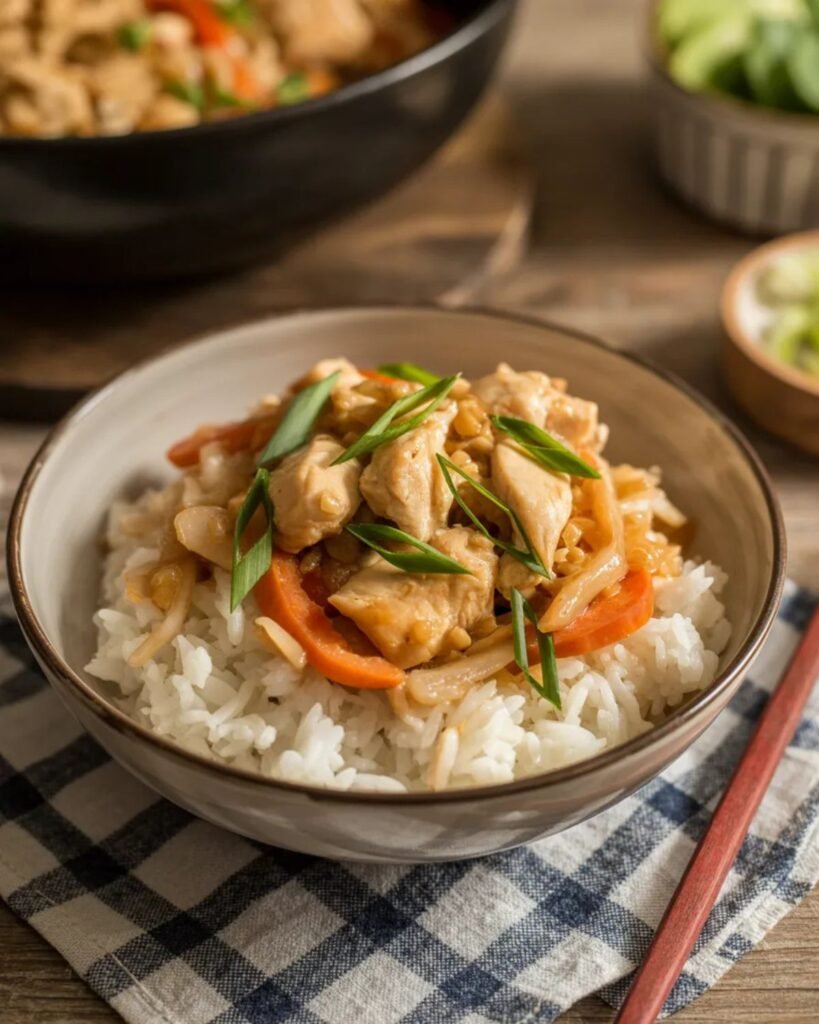
Chicken stir fry is one of those recipes that quietly becomes a regular part of your cooking routine. It’s quick enough for busy evenings but still feels like a real homemade meal.
With tender chicken, crisp vegetables, and a simple savory sauce, it brings together flavor, nutrition, and convenience in a single pan.
Once you understand the basic stir fry method, you can experiment with different vegetables, sauces, and serving options to keep the meal interesting.
Sometimes the most useful recipes are the ones that solve a simple problem — making dinner easier while still tasting great.
And that’s exactly what a good chicken stir fry does.