High Protein Egg Muffin Cups (Easy Meal Prep Breakfast)
There are mornings when you don’t want to think about breakfast. You just want something ready — something warm, filling, and balanced. That’s exactly where high protein egg muffin cups make a difference.

Image source : r/Glp1meals
Unlike sugary grab-and-go options, these egg muffins are built for steady energy. They’re rich in protein, low in refined carbs, and easy to prepare ahead of time. Whether you’re heading to the gym, rushing to work, or packing breakfast for the week, this recipe keeps things simple.
The best part is that you can make a batch in under 30 minutes and have breakfast covered for days.
Quick Overview
Prep Time: 10 minutes
Cook Time: 18–22 minutes
Total Time: 30 minutes
Servings: 12 egg muffin cups
Protein: 8–12g per muffin (depending on add-ins)
Ideal for:
- Meal prep breakfast
- High protein breakfast plan
- Post-workout recovery
- Low-carb lifestyle
- Busy weekday mornings
There’s something reassuring about opening the fridge and knowing breakfast is already handled. On mornings when time feels tight, having these ready makes the whole day feel a little more in control.
Why High Protein Egg Muffin Cups Work
Because they’re protein-dense and built around whole ingredients, they support satiety and blood sugar balance — two things that make a noticeable difference in how you feel mid-morning.
A balanced breakfast should provide:
• Complete protein
• Healthy fats
• Micronutrients
• Long-lasting satiety
Eggs are a complete protein source, meaning they contain all essential amino acids. When combined with vegetables and optional lean meats, they create a compact, nutrient-dense breakfast.
Unlike traditional breakfast sandwiches or pastries, these muffin cups don’t rely on refined flour. Instead, they focus on whole foods that support muscle repair and steady blood sugar.
They’re also portion-controlled by design. That makes tracking intake easier if you’re following a fitness or weight management plan.
Ingredients
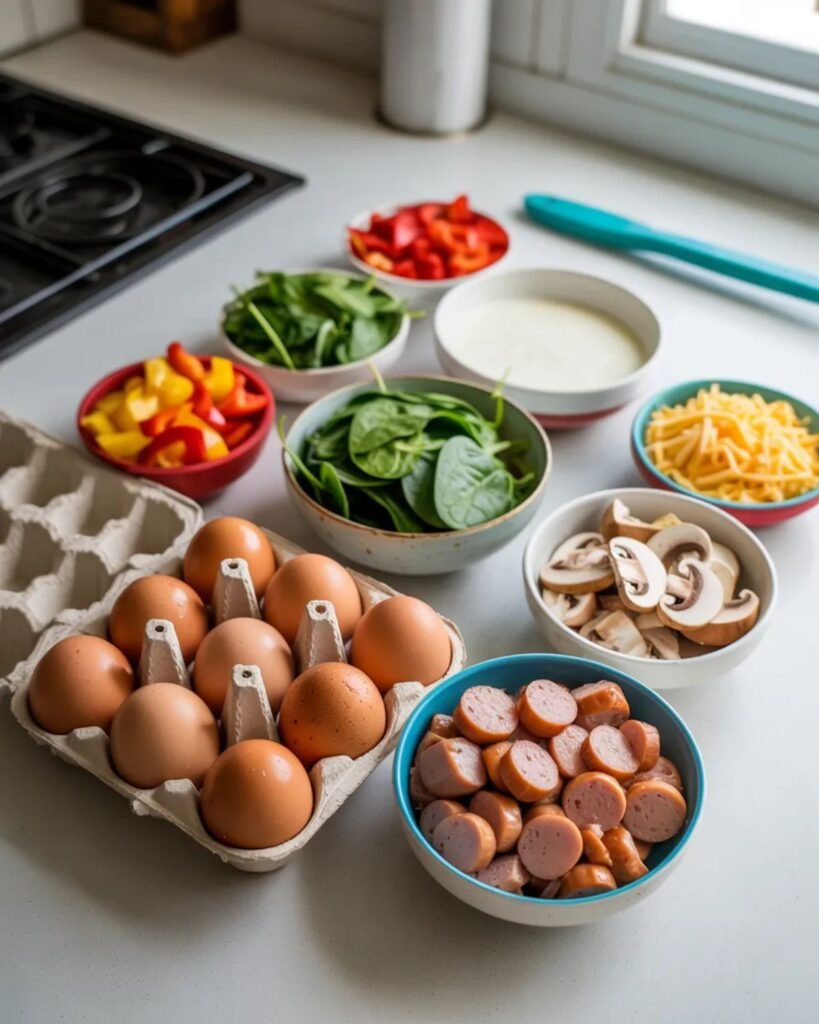
Base ingredients:
8 large eggs
¼ cup milk (optional for softer texture)
½ teaspoon salt
¼ teaspoon black pepper
Protein and vegetable add-ins:
½ cup diced bell peppers
½ cup chopped spinach
½ cup diced mushrooms
½ cup lean turkey sausage or grilled chicken (optional)
½ cup shredded cheddar or mozzarella
You can mix and match depending on your goals.
Choosing the Right Protein Add-Ins
If your goal is higher protein:
• Use lean turkey sausage
• Add grilled chicken breast
• Increase egg whites
• Use cottage cheese mixed into eggs
For example:
Replacing two whole eggs with ½ cup egg whites boosts protein while lowering fat.
That small change increases protein density without changing flavor.
Step-by-Step: How to Make High Protein Egg Muffin Cups
Step 1: Preheat the Oven
Preheat to 375°F (190°C).
Lightly grease a 12-cup muffin tin or use silicone liners.
Silicone molds help prevent sticking and make cleanup easier.
Step 2: Prepare the Fillings
Chop vegetables evenly so they cook uniformly.
If using raw sausage, cook it first and drain excess fat.
Pre-cooked protein prevents excess moisture inside the muffins.
Removing extra moisture keeps egg muffins from becoming soggy.
Step 3: Whisk the Eggs
Crack eggs into a bowl.
Add salt, pepper, and milk (if using).
Whisk until fully combined but not overly frothy.
A smooth mixture ensures even baking.
Step 4: Fill the Muffin Cups

Add vegetables and protein evenly into each cup.
Pour egg mixture over the fillings until about ¾ full.
Don’t overfill — eggs expand slightly while baking.
Step 5: Bake
Bake for 18–22 minutes.
The tops should look set and slightly golden.
A toothpick inserted in the center should come out clean.
Let them cool for 5 minutes before removing.
They will firm up slightly as they cool.
The Key to Meal Prep Success
Egg muffins are perfect for weekly meal prep.
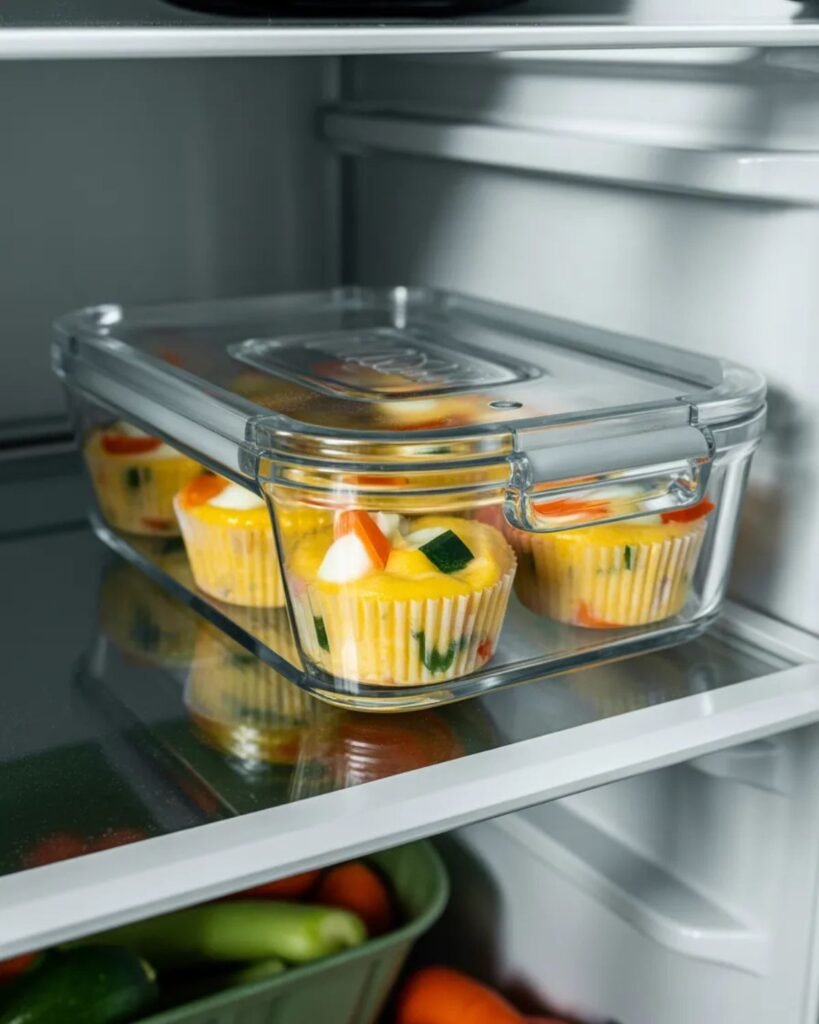
After baking:
• Let them cool completely
• Store in airtight containers
• Refrigerate up to 4 days
For freezing:
• Wrap individually
• Store up to 2 months
• Reheat in microwave for 45–60 seconds
This makes mornings noticeably easier.
When breakfast is already prepared, sticking to a healthy plan feels less stressful.
It sounds small, but not having to cook first thing in the morning removes one more decision from your day. And sometimes that’s exactly what keeps healthy habits consistent.
I started making these during a busy training phase when I needed something reliable before early workouts. At first, I wasn’t sure they’d actually keep me full. But after a few weeks, I noticed I wasn’t reaching for snacks mid-morning. That consistency — more than anything — made them part of my routine.
Pre-Workout vs Post-Workout Use
Pre-Workout:
Pair 1–2 egg muffins with fruit for balanced carbs and protein.
Post-Workout:
Pair with oatmeal or a smoothie for muscle recovery support.
Eggs provide high-quality protein that helps repair muscle tissue after resistance training.
High protein breakfasts are often linked to improved appetite regulation and better adherence to fat loss or muscle-building goals.
High Protein Variations
Spinach & Feta
Adds flavor with moderate calories.
Turkey & Bell Pepper
Higher protein, more filling.
Mushroom & Swiss
Lower carb option.
Broccoli & Cheddar
Family-friendly version.
Cottage Cheese Boost
Mix ¼ cup cottage cheese into egg mixture for creamier texture and higher protein.
Each variation keeps the base structure simple.
Common Mistakes to Avoid
Using too many watery vegetables
Overfilling muffin cups
Under-seasoning
Overbaking
Overbaking causes rubbery texture.
Removing them when just set keeps them tender.
Nutrition Benefits
Each egg muffin contains approximately:
Calories: 90–120
Protein: 8–12g
Carbohydrates: 1–4g
Fat: 6–8g
Depending on add-ins.
They provide:
• Complete protein
• Vitamin B12
• Choline
• Iron
• Healthy fats
Protein helps reduce mid-morning hunger and supports muscle repair.
Because they’re a lean protein source with minimal refined carbohydrates, they fit well into macro-friendly meal plans and support metabolism stability throughout the morning.
Are Egg Muffin Cups Good for Weight Loss?
Yes — when balanced properly.
They’re:
• Portion-controlled
• High in protein
• Low in refined carbs
• Easy to track
High-protein breakfasts are linked to improved appetite regulation and fewer cravings later in the day.
How to Prevent Sogginess
One common issue is excess moisture.
To prevent that:
• Cook meats beforehand
• Sauté mushrooms before adding
• Pat spinach dry
• Avoid overly watery vegetables
Small preparation steps improve final texture significantly.
Storage & Reheating
Refrigerator:
Store up to 4 days.
Freezer:
Wrap individually and freeze up to 2 months.
Reheating:
Microwave 45–60 seconds.
Or warm in oven at 350°F for 8–10 minutes.
Avoid overheating to maintain texture.
Frequently Asked Questions
How much protein is in egg muffin cups?
Typically 8–12 grams per muffin depending on ingredients.
Can I use only egg whites?
Yes. Use about 2 cups egg whites for 12 muffins.
Are egg muffins keto-friendly?
Yes, especially without starchy vegetables.
Can I make them dairy-free?
Yes. Skip cheese and milk.
Why did my egg muffins collapse?
They deflate slightly after baking. This is normal as steam escapes.
Can I make high protein egg muffin cups without dairy?
Yes. Simply skip cheese and milk, or use unsweetened almond milk. The texture will still be firm and protein-rich.
How many egg muffin cups should I eat for breakfast?
Most people eat 2–3 depending on calorie needs and activity level. Pairing them with fruit or oats creates a more balanced meal.
Can egg muffin cups help with weight loss?
They can support weight management because they’re high in protein, portion-controlled, and low in refined carbs, which may reduce cravings later in the day.
Are egg muffins good for muscle building?
Yes. Eggs provide complete protein and essential amino acids, which support muscle recovery and growth when combined with resistance training.

Final Thoughts
They may look simple, but consistency in simple meals is what usually drives real progress.
High protein egg muffin cups are simple, practical, and adaptable. They’re not flashy, but they solve a real problem: having a balanced breakfast ready when you need it.
Once you make a batch and see how easy they are to store and reheat, it’s hard to go back to rushed mornings.
They support muscle recovery, stabilize energy, and reduce the temptation to grab less nutritious options.
It’s one of the most efficient ways to stay consistent with healthy eating — especially on busy days.

Hi, I’m Sarah! I’m a home cook with a passion for healthy, feel-good food that actually tastes amazing. At Food Vibe Hub, I share simple recipes built around real ingredients — from high-protein breakfasts to easy everyday meals that fit into a busy life. Whether you’re meal prepping for the week or just looking for something delicious to make tonight, I’m here to make cooking feel a little easier and a lot more enjoyable.