Perfect Scrambled Eggs (Soft & Creamy Every Time)
Perfect scrambled eggs may seem simple, but getting them soft, creamy, and fluffy every time takes a little patience. When they’re done right, they’re tender and rich — not dry or rubbery like the ones we’ve all accidentally overcooked.
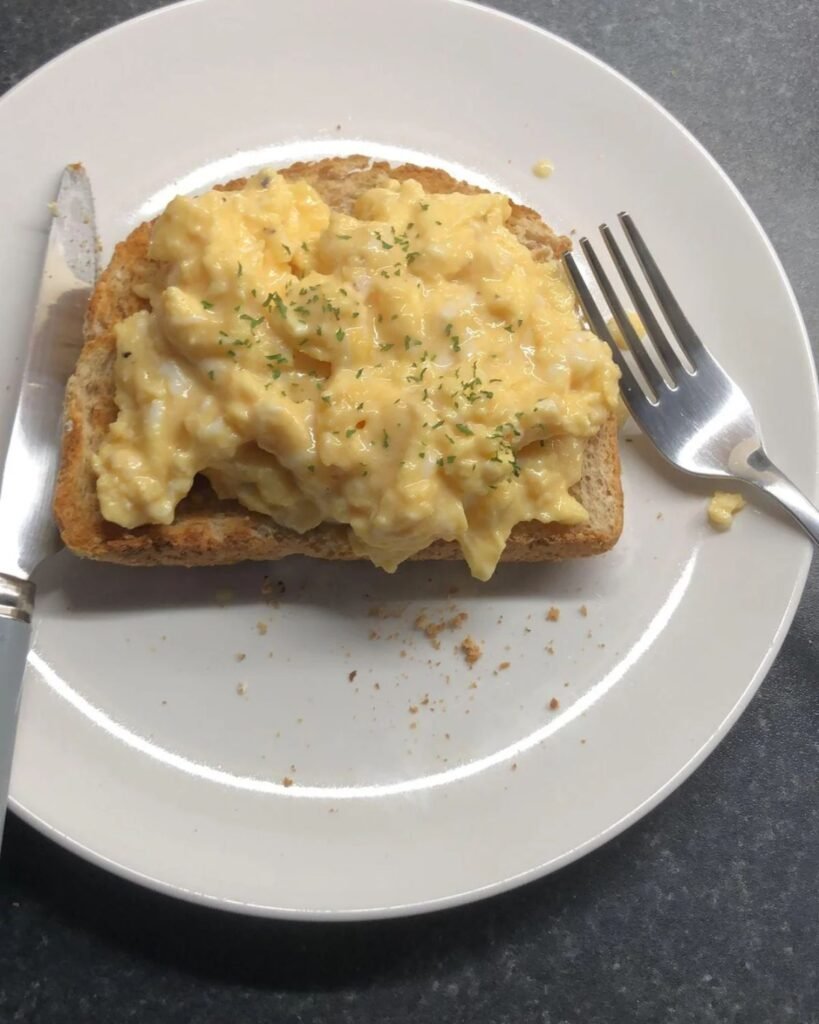
Image source : r/UK_Food
For a long time, I cooked scrambled eggs the fast way. High heat, quick stirring, and onto the plate. They looked fine, but they never had that soft café-style texture. Once I slowed down and lowered the heat, everything changed. The eggs turned silky, almost custard-like, and suddenly breakfast felt more intentional.
The best part is that you don’t need anything fancy. Just eggs, gentle heat, and a few minutes of attention.
Quick Overview
Prep Time: 5 minutes
Cook Time: 5–7 minutes
Total Time: About 10–12 minutes
Servings: 2
Perfect for busy mornings, weekend brunch, or a quick high-protein meal.
Why This Scrambled Eggs Recipe Works
The secret to perfect scrambled eggs isn’t extra milk or complicated seasoning. It’s technique.
Eggs are delicate. When exposed to high heat, their proteins tighten quickly and push out moisture. That’s when scrambled eggs become dry and crumbly.
Cooking over low to medium-low heat allows the eggs to set slowly. Gentle stirring forms soft curds instead of stiff chunks. Removing the pan from heat slightly before the eggs look fully done keeps them moist and creamy.
These small changes turn basic scrambled eggs into soft scrambled eggs with a smooth texture.
Ingredients
You only need a few simple ingredients:
- 4 large eggs
- 1 tablespoon butter
- Salt, to taste
- Freshly ground black pepper
Optional additions:
- 1 tablespoon heavy cream
- 1 tablespoon milk
- Fresh herbs such as chives or parsley
- Shredded cheese
Scrambled eggs don’t require milk to be creamy. Proper cooking technique creates that texture naturally.
Choosing the Best Eggs
Fresh eggs make a noticeable difference in taste and texture. If possible, choose high-quality large eggs for consistent results.
Room-temperature eggs cook more evenly than very cold eggs straight from the refrigerator. If you remember, take them out a few minutes before cooking.
Even small details like this improve the final result.
Butter vs Oil: What’s Better?
Butter adds richness and flavor, which is why most people prefer it for scrambled eggs. It also helps create a smoother texture.
Olive oil is a lighter alternative and works well if you prefer a dairy-free option. However, oil doesn’t provide the same creamy mouthfeel as butter.
For classic soft scrambled eggs, butter remains the best choice.
Equipment Makes a Difference
A non-stick skillet allows you to control texture more easily. A silicone spatula works best because it folds the eggs gently instead of breaking them apart.
A bowl and whisk help combine yolks and whites evenly before cooking.
The right tools make the process smoother and more consistent.
Step-by-Step: How to Make Perfect Scrambled Eggs
Step 1: Whisk the Eggs
Crack the eggs into a bowl and add a pinch of salt.
Whisk until smooth and slightly frothy. Proper whisking incorporates a bit of air, which helps create fluffy scrambled eggs.
You don’t need to over-whisk — just blend thoroughly.
Step 2: Heat the Pan Slowly
Place your skillet over low to medium-low heat.
Add butter and let it melt gently. It should foam lightly but not brown or sizzle aggressively.
Low heat is essential for creamy scrambled eggs.
Step 3: Add the Eggs
Pour the whisked eggs into the pan.
Let them sit undisturbed for a few seconds until the edges begin to set slightly.
Step 4: Stir Gently and Fold
Push the eggs from the edges toward the center using slow, deliberate movements.
As you stir, you’ll see soft folds forming. The eggs should look slightly glossy and moist — not dry or crumbly.
If they start cooking too quickly, lower the heat immediately.
Step 5: Remove Before Fully Done
Remove the pan from the heat when the eggs still appear slightly underdone.
They will continue cooking from residual heat.
This step prevents overcooked scrambled eggs.
The Science Behind Creamy Scrambled Eggs
Egg proteins coagulate when heated. High heat causes rapid tightening, which squeezes out moisture.
Slow cooking allows the proteins to set gradually while retaining water, resulting in tender, moist eggs.
This controlled method is what creates restaurant-style scrambled eggs.
Different Styles of Scrambled Eggs
There are two main styles:
Soft & Creamy Scrambled Eggs
Small, delicate curds with a slightly custard-like consistency.
Fluffy Scrambled Eggs
Larger curds with a drier texture and more defined shape.
To create fluffy scrambled eggs:
- Stir slightly less
- Allow larger sections to set
- Use medium-low heat
Both styles are delicious. It depends on preference.
Make It Extra Creamy (Optional Technique)
If you prefer ultra-creamy scrambled eggs, remove the pan from heat briefly while stirring.
Return it to low heat for a few seconds, then remove again.
This gentle on-and-off method slows the cooking process and creates a silkier texture.
It takes slightly more attention, but the result feels almost luxurious.
Common Mistakes to Avoid
Scrambled eggs are easy to overcook.
Cooking on high heat
Over-stirring aggressively
Waiting too long to remove from heat
Adding too much liquid
Small adjustments lead to better texture.
Are Scrambled Eggs Healthy?
Scrambled eggs are naturally high in protein and healthy fats.
They provide:
- High-quality protein
- Vitamin B12
- Choline
- Essential nutrients
They are low in carbohydrates and suitable for keto or low-carb diets.
If you prefer a lighter option, use less butter or cook with olive oil.
Flavor Variations
Cheesy scrambled eggs
Herb scrambled eggs
French-style soft eggs
Spinach and feta
Spicy scrambled eggs
Once you master the base, you can experiment easily.
What to Add (Without Ruining Texture)
If adding vegetables, cook them separately first. Adding raw vegetables directly into the eggs can release water and make them soggy.
Add cheese near the end of cooking to prevent over-melting.
Season lightly. Eggs taste best when not overwhelmed.
Serving Ideas
Serve with:
- Toast
- Avocado slices
- Breakfast potatoes
- Bacon or sausage
- Fresh fruit
They also work beautifully in breakfast sandwiches or protein bowls.
Pair them with French toast or banana oatmeal pancakes for a complete breakfast spread.
Storage & Reheating
Scrambled eggs taste best fresh.
Store leftovers in the refrigerator for up to one day.
Reheat gently over low heat. Avoid high heat or prolonged microwaving, which can make eggs rubbery.
Frequently Asked Questions
Do I need milk for scrambled eggs?
No. Proper technique creates creamy scrambled eggs without milk.
Why are my scrambled eggs watery?
Watery eggs usually result from overcooking or adding too much liquid.
How do restaurants make scrambled eggs so creamy?
They cook them slowly over low heat and remove them from heat slightly early.
Can I make scrambled eggs ahead of time?
They’re best fresh but can be reheated gently.
What is the best pan for scrambled eggs?
A non-stick skillet works best for soft curds and easy stirring.
Final Thoughts
Perfect scrambled eggs don’t require complicated techniques. They require gentle heat and patience.
Once you slow down the cooking process and remove the eggs slightly early, you’ll notice the difference immediately. The texture becomes softer, the flavor richer, and the overall experience more satisfying.
It’s a small change that transforms a simple breakfast into something better.

Hi, I’m Sarah! I’m a home cook with a passion for healthy, feel-good food that actually tastes amazing. At Food Vibe Hub, I share simple recipes built around real ingredients — from high-protein breakfasts to easy everyday meals that fit into a busy life. Whether you’re meal prepping for the week or just looking for something delicious to make tonight, I’m here to make cooking feel a little easier and a lot more enjoyable.